

The global door and window industry is navigating a period of significant adjustment, driven by a confluence of international trade policies, rising material costs, and ongoing technological innovation. Recent developments—including the emerging impact of U.S. tariffs on aluminum, a delayed anti-dumping decision in Australia, and sustained global demand for green building solutions—are reshaping the competitive landscape.

U.S. Tariffs Send Ripples Through Supply Chains
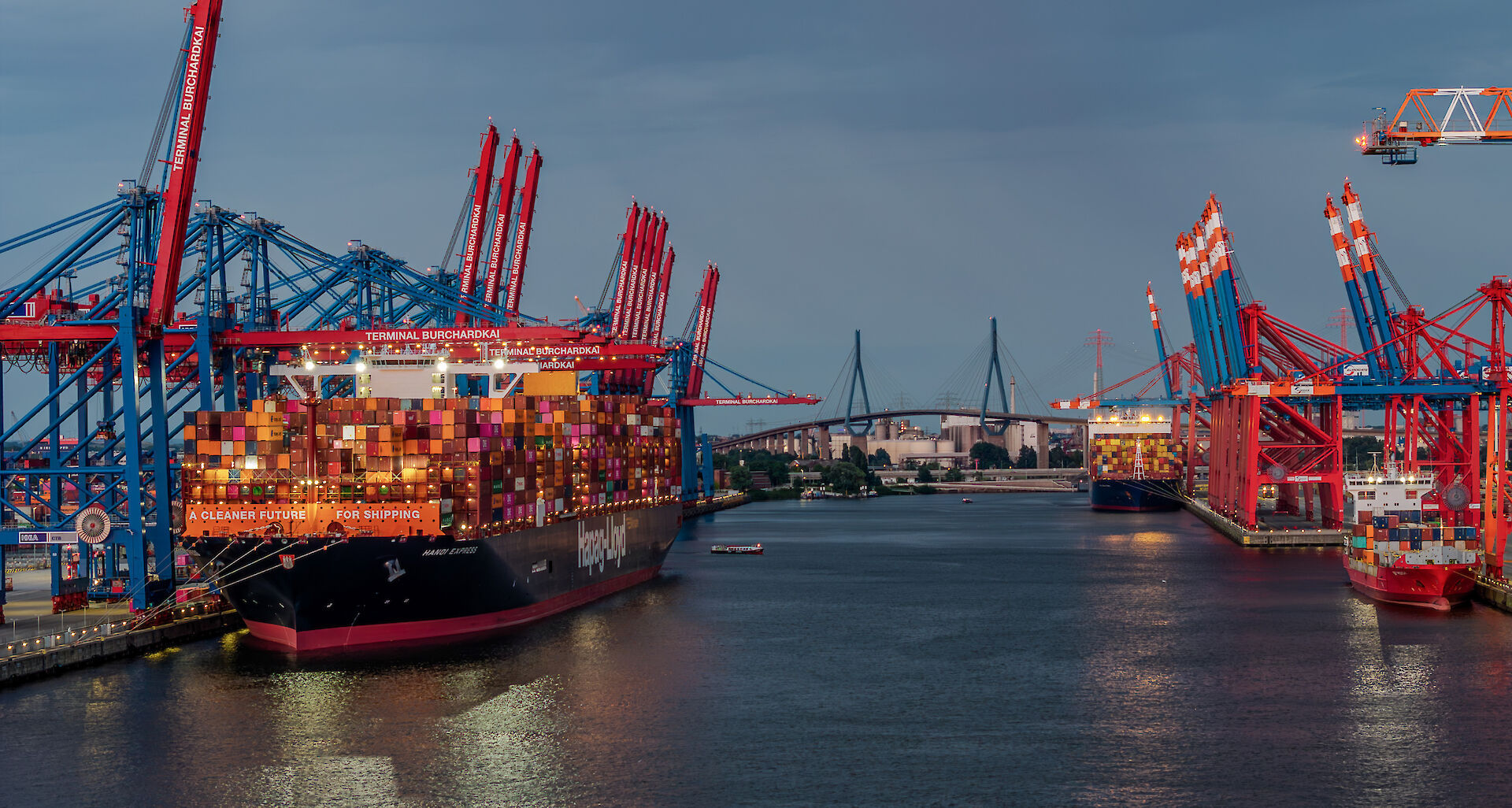
Effective April 2026, the United States began imposing "full-value" tariffs ranging from 10% to 25% on imported aluminum products. The policy's impact is already tangible. Colombia-based architectural window and door giant Tecnoglass recently reduced its full-year 2026 profit guidance by approximately $50 million, citing rising costs and order pressure in the U.S. market. The announcement led to a selloff in Tecnoglass shares and contributed to broader volatility in the U.S. building materials sector.
Adding to trade pressures, the U.S. Department of Commerce has issued a preliminary determination that Chinese-manufactured fiberglass door panels are being dumped at margins ranging from 38.78% to 147.85%. A final ruling is expected in May 2026. Industry analysts warn that if these duties are finalized, they will substantially raise the cost of Chinese door and window exports to the United States, potentially accelerating efforts by Chinese manufacturers to establish overseas production capacity.
Australia Extends Anti-Dumping Investigation
In a separate development, the Australian Anti-Dumping Commission has extended its investigation into aluminum windows and doors imported from China. A final determination is now scheduled for November 25, 2026. Unlike the immediate pressure from U.S. tariffs, Australia's extended timeline provides Chinese exporting companies with a larger window to prepare legal defenses and adjust compliance strategies.
Global Green Building Demand Remains Strong
Despite rising trade barriers, demand for energy-efficient, low-carbon door and window systems continues to grow in key markets such as Europe and the Middle East. Many new public buildings in Germany and France now require windows with a thermal transmittance (U-value) below 1.0 W/(m²·K). This has spurred export growth for aluminum thermal-break windows, polyamide insulating strips, and composite material windows.
Industry Outlook: Compliance and Localization Take Center Stage
Looking ahead, the defining themes for the international door and window industry in 2026 are shifting from pure price competition to "compliance and localization." Companies exporting to global markets are advised to focus on the following priorities:
- Final U.S. anti-dumping/countervailing duty rulings and tariff enforcement details.
- The outcome of Australia's anti-dumping investigation and any subsequent duty rates.
- Rising European green building regulations and stricter product certification requirements.
Industry experts recommend that exporting companies establish dedicated compliance monitoring mechanisms and actively explore localized pathways—such as overseas assembly partnerships or technology licensing—to mitigate policy risks in any single market.
A Word from HENNISSY Doors & Windows Industrial Co., Ltd.
As a dedicated player in the global door and window industry, HENNISSY continues to monitor international trade policies closely. The company emphasizes that in the face of rising trade barriers and evolving green building standards worldwide, compliance and product quality remain the foundation for sustainable international growth. HENNISSY is committed to enhancing its product offerings—including energy-efficient aluminum system windows—and strengthening its compliance capabilities to better serve customers across different markets.
April 25, 2026 | Issued by HENNISSY Doors & Windows Industrial Co., Ltd.