

Window Innovation: Reshaping Russia's Urban Face and Living Ecology
The Eyes of Architecture, Witnessing Russia's Urban Transformation
On the vast land of Russia, the evolution of cities is showing vigorous vitality and endless potential through every window and door. Looking back at history, traditional Russian architecture was limited by the long and severe winters of high-latitude regions. Architects tended to use thick masonry walls and extremely small windows to achieve ultimate thermal insulation. However, this architectural style inevitably led to insufficient indoor lighting and a sense of spatial enclosure. Today, with the advancement of globalization and disruptive breakthroughs in building energy saving technology and new materials, modern high-performance windows and doors are empowering Russia's urban renewal at an incredible speed. This has long ceased to be a simple replacement of architectural components; it is a profound revolution in the living environment. Window and door products that combine ultra-high thermal insulation performance, wide views, and diverse aesthetic values have not only completely broken the dullness of traditional spaces but also injected fresh blood—green, low-carbon, inclusive, and open—into Russia's modern urban construction, becoming an important driving force for cities moving towards modernization.
Bringing Scenery Indoors, Leading a New Trend in Suburban Housing
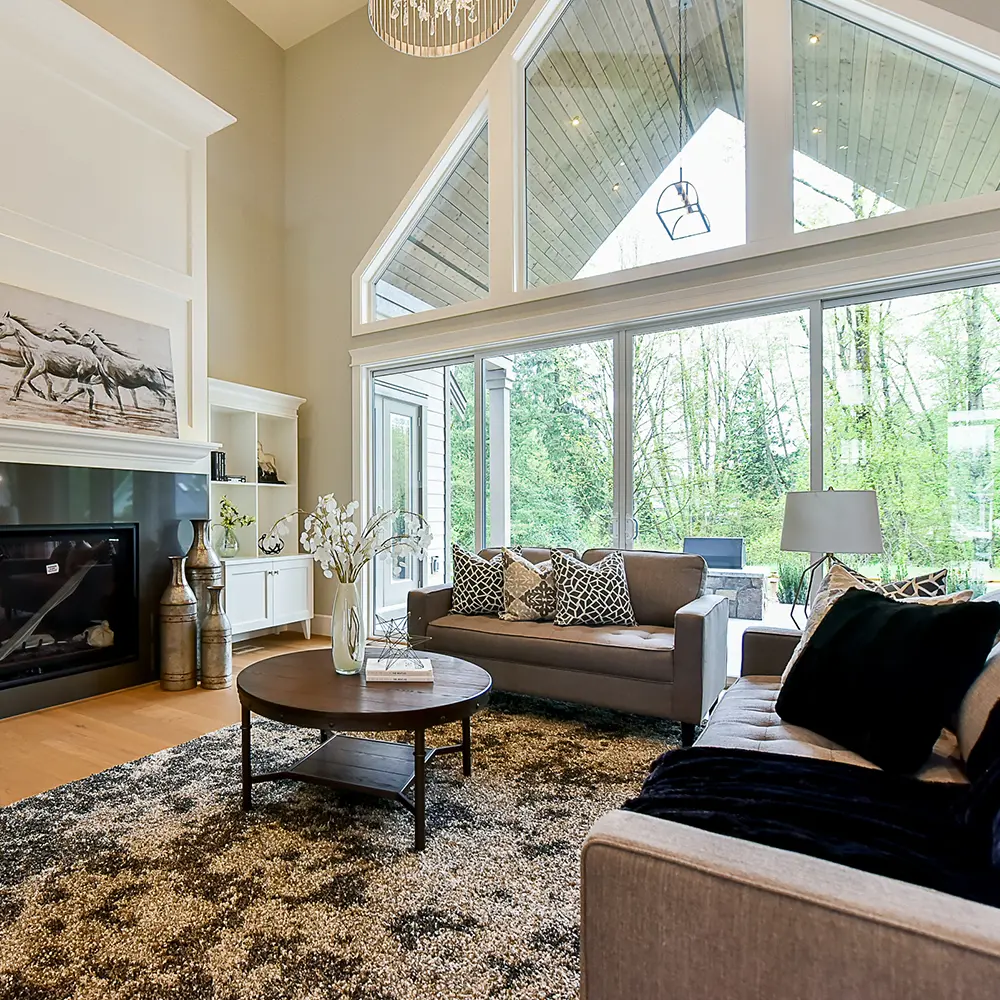
In recent years, with the significant improvement of Russian residents' living standards and the continuous improvement of urban transportation networks, residents of major metropolises like Moscow and St. Petersburg are increasingly inclined to purchase villas on urban fringes or in suburbs (the modern upgrade of Dacha culture). This shift in living patterns has directly triggered an ultimate pursuit of natural lighting and open views. As shown in Figure 1, a modern large-scale white sliding glass door with a minimalist design acts like a flowing picture frame, becoming a perfect bridge connecting a cozy indoor rest area with a lush outdoor courtyard landscape. This panoramic sliding door system discards the clumsy and thick frames of the past, seamlessly introducing outdoor natural light and green plants indoors with a maximized glass ratio. During the long Russian winter with deficient sunshine, large-area lighting not only greatly improves the psychological health of occupants and effectively reduces daytime lighting energy consumption, but also represents a high-quality living concept of harmonious coexistence between humans and nature in the process of modern urban peripheral expansion.
Color Collision, Empowering the Tourism Economy of Southern Coastal Cities
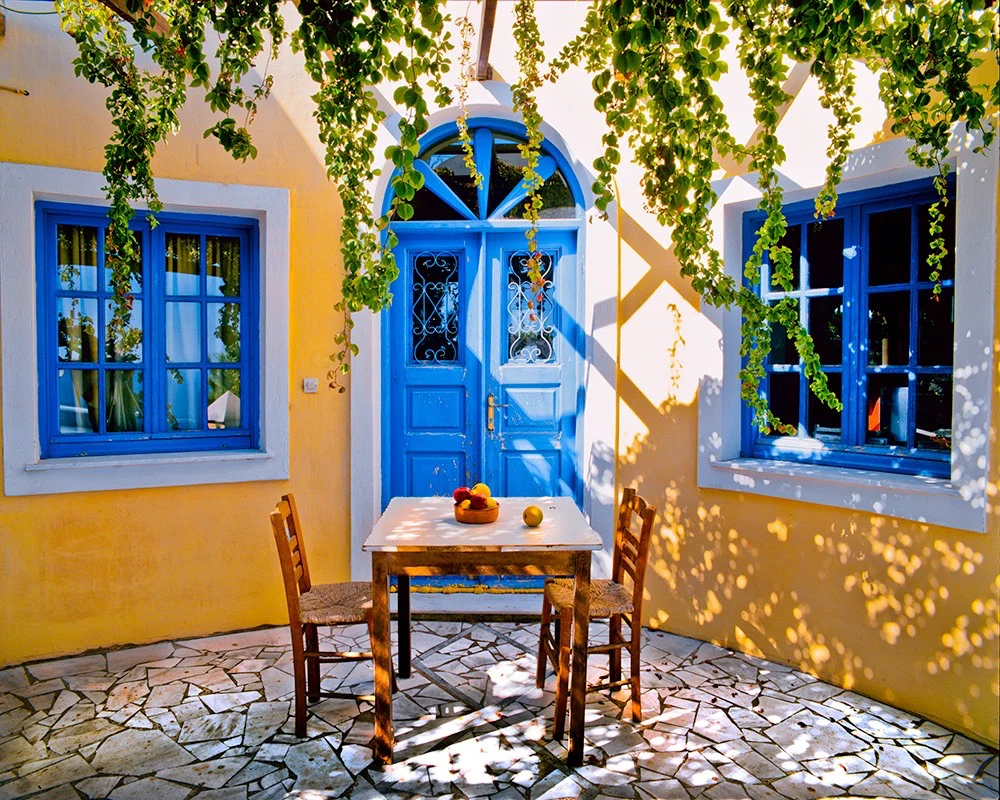
Russia's urban style is not uniform ice, snow, and solemnity. Its southern coastal cities along the Black Sea (such as Sochi and cities around the Crimean Peninsula) also glow with enthusiastic exotic charm. The Mediterranean-style window and door design shown in Figure 2 is a perfect epitome of the prosperous development trend of tourism in southern cities. Bright and lively yellow walls, paired with highly visually impactful sea-blue arched wooden doors and exquisite grid windows, instantly create an extremely relaxed, romantic, and sun-drenched vacation atmosphere under the backdrop of lush green vines. This bold use of color and non-standard custom windows and doors are currently being widely applied to historical district renovations and high-end boutique bed-and-breakfast constructions in these tourist cities. They break the stereotypical impression of traditional cool-toned architecture, giving urban blocks high recognition and internet-famous check-in attributes, directly driving the prosperity of the local tourism economy, and making windows and doors a unique calling card for urban cultural output.
Resisting Severe Cold, Building High-Efficiency Green Shelters
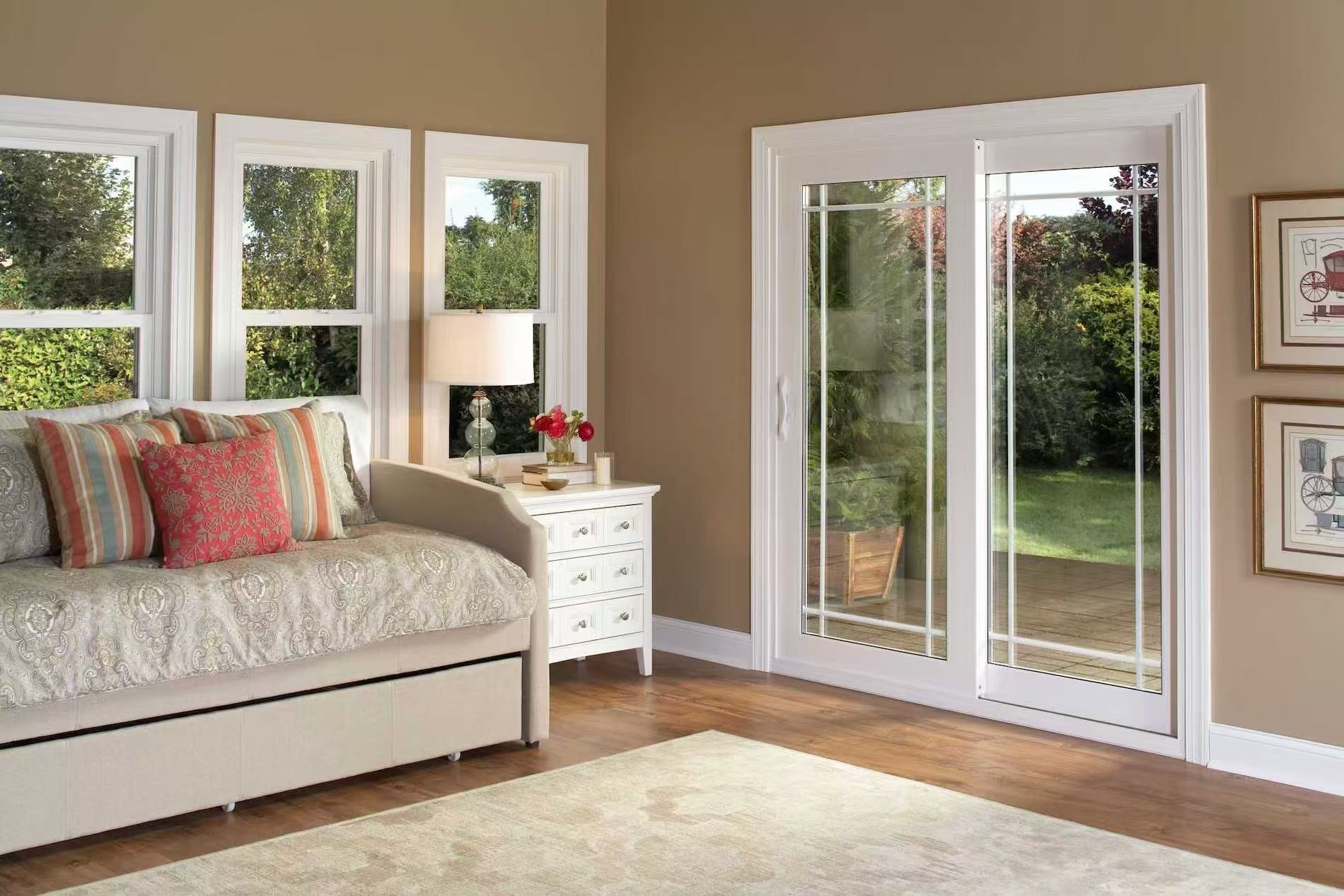
Although southern cities are warm and pleasant, for the vast majority of inland Russian cities deep in the freezing hinterland, the insulation, thermal performance, and snowstorm resistance of windows and doors remain the lifeline of the entire city's energy consumption and residents' quality of survival. Figure 3 shows a serene and cozy indoor living space: through a classic white American-style grid sliding door, the outdoor green scenery and sunlight can be fully appreciated. However, behind this seemingly thin sliding door lies top-tier cold-resistance technology. In modern Russian high-standard urban residential construction, such high efficiency windows and aluminum sliding doors generally integrate highly technological features: thermal break aluminum multi-cavity structures, wide insulation strips, and multi-layer hollow Low-E glass systems filled with multiple inert gases like argon. These cutting-edge technologies construct an indestructible invisible thermal barrier between indoors and outdoors, ensuring that when blizzards rage at tens of degrees below zero, indoor heat is firmly locked in, and the glass surface remains free of fog and frost. This not only provides city residents with an extremely comfortable and quiet haven but also drastically reduces the centralized winter heating carbon emissions from a macro strategic level, serving as a core element in promoting the popularization of green buildings.
Moving Towards the Future, Smart Windows and Doors Assisting Sustainable Urban Development
In summary, every technological leap and aesthetic evolution in the window and door industry contributes to the modernization transformation of Russian cities. From wide sliding doors pursuing ultimate views and natural lighting to custom exotic colored windows brightening romantic street corners, and high-efficiency energy-saving insulation systems that defy bitter Siberian cold currents, windows and doors are profoundly affecting Russia's overall architectural aesthetics and national energy strategies through their diverse product forms. Looking to the future, with the deep integration of 5G Internet of Things (IoT) and smart sensing technologies, we expect to see more "thinking" new types of windows and doors that can automatically sense outdoor temperature and humidity changes and intelligently adjust light transmittance and ventilation rates landing in major Russian cities. This will not only further enhance local residents' sense of living happiness and security but also become an indispensable puzzle piece in Russia's blueprint for building green, low-carbon, and sustainable smart cities.